



How Shopping Trolley Design Impacts Customer Dwell Time in Retail Stores
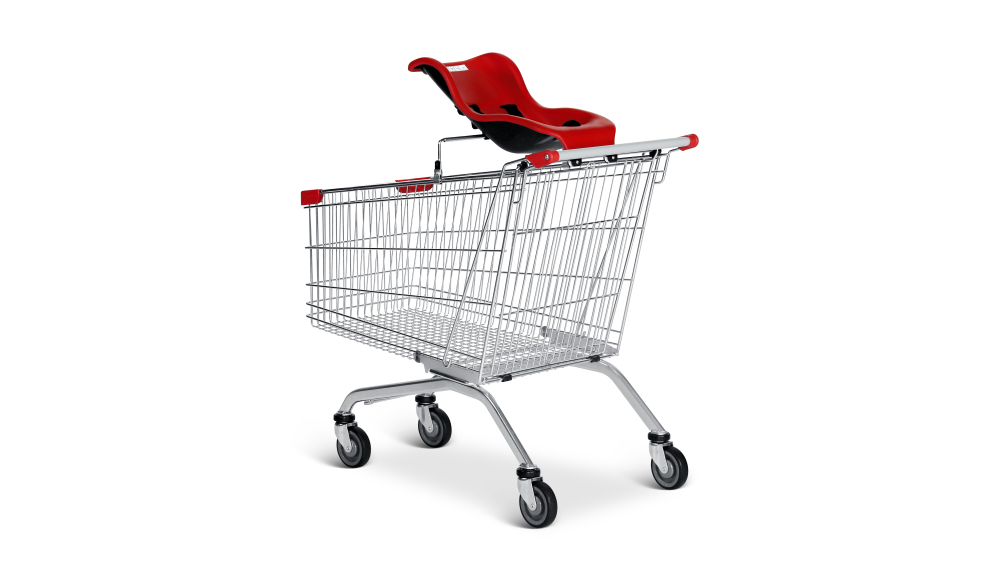
In modern retail environments, every detail matters — including something as seemingly simple as the shopping trolley. Research and real‑world retail data consistently show that shopping trolley design has a direct impact on customer dwell time, comfort, and overall satisfaction. For retailers, this directly influences basket size, repeat visitation, and brand perception.
The Link Between Comfort and Customer Behaviour
Customers who feel physically comfortable tend to stay longer in store. Poorly designed trolleys — stiff wheels, awkward handles, or unbalanced loads — introduce friction into the shopping journey. Over time, this discomfort causes shoppers to rush, abandon certain aisles, or limit basket size.
Well‑designed shopping trolleys, by contrast, glide smoothly, steer accurately, and reduce physical strain. This encourages customers to explore more of the store, especially in larger supermarket and warehouse‑style formats.
Navigation, Flow, and Store Layout
Modern shoppin trolley design also plays a major role in how customers move through a space. Narrower trolley footprints improve manoeuvrability in compact store layouts, while stable, high‑capacity frames support larger shopping trips without sacrificing control.
Strategically aligned with store layout, these trolleys help reduce congestion, improve aisle flow, and create a less stressful environment — all factors that contribute to increased dwell time.
Ergonomics and Accessibility
Inclusive retail design is no longer optional. Ergonomic trolley handles, lightweight materials, and options for assisted mobility shoppers ensure that all customers can navigate the store independently and comfortably.
When shoppers feel supported — particularly seniors or families — they are more likely to stay longer and return more frequently.
Durability and Brand Perception
Customers subconsciously associate equipment quality with brand professionalism. Damaged, noisy, or unstable trolleys suggest poor maintenance and distract from the shopping experience. Durable, well‑maintained trolleys reinforce trust, safety, and reliability.
From a retailer’s perspective, higher‑quality trolley systems also reduce maintenance costs and equipment downtime, creating both operational and experiential benefits.
Choosing the Right Trolley Solution
Selecting the right shopping trolley involves balancing capacity, ergonomics, durability, and sustainability. Modular trolley systems allow retailers to adapt to changing store formats and customer needs without constant replacement.
By investing in professionally engineered shopping trolley solutions, retailers directly improve customer comfort, store flow, and ultimately, sales performance.